Each Operating Mine Is an Opportunity to Close Gaps and Generate Sustainable Development
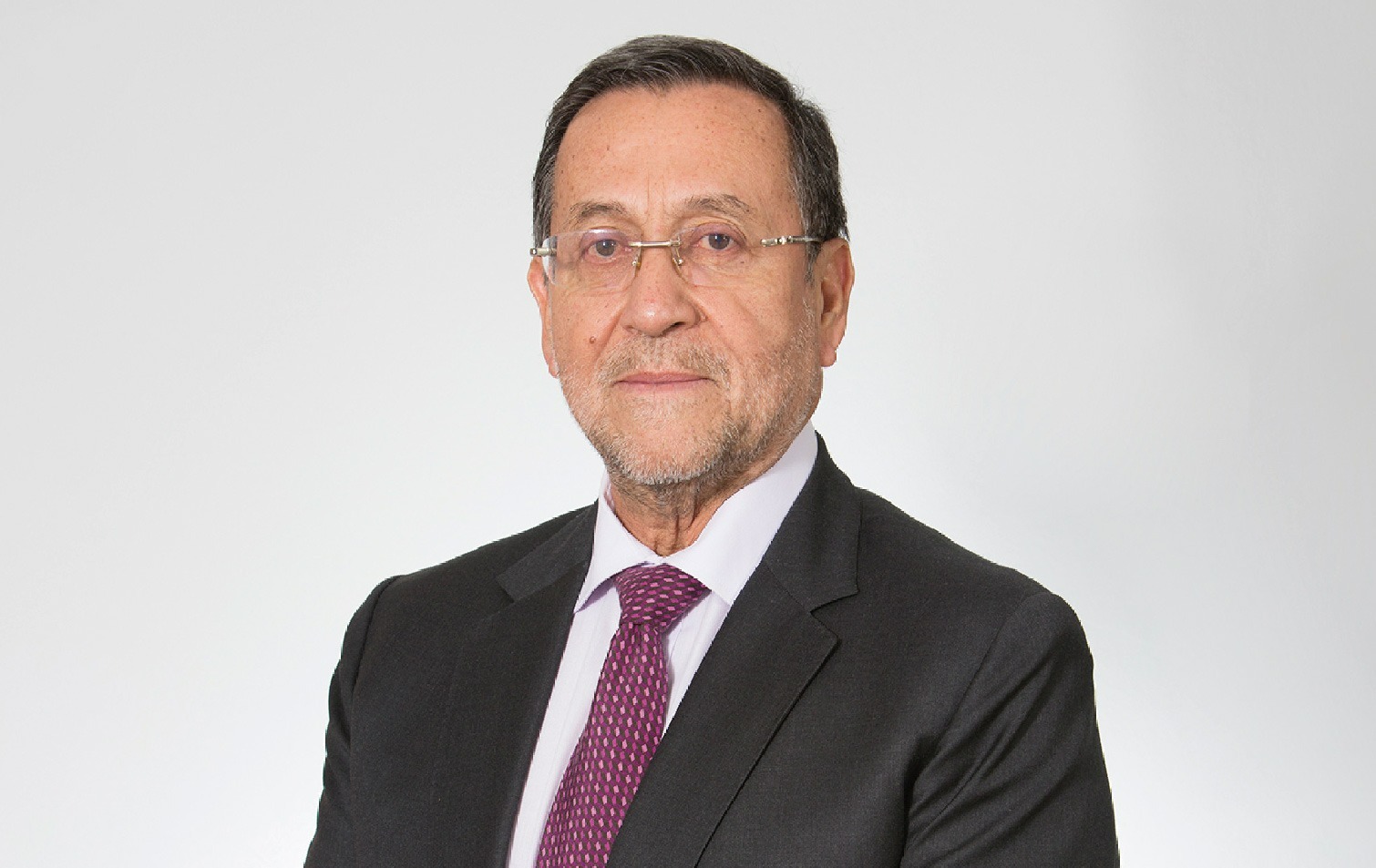
The past president of proEXPLO, Miguel Cardozo, notes that the global copper deficit and historically high prices reinforce the opportunity for the country to turn its vast geological potential into sustainable growth.
Lima, February 16, 2026. — Out of every 1,000 mining exploration projects that begin, only 100 advance to the drilling stage and just one becomes a producing mine. This was stated by Miguel Cardozo, past president of proEXPLO, who highlighted the high level of complexity, risk, and investment involved in developing a mining deposit in the country.
Cardozo explained that mining exploration is a high-risk activity, where most projects do not reach advanced stages. Therefore, when a discovery is successfully developed and enters production, it becomes a key driver of employment, investment, and regional development.
“The exploration process is highly risky. Actually finding a deposit and bringing it into operation is an advantage for the company and for the community that hosts it,” he said in an interview with the Instituto de Ingenieros de Minas del Perú (IIMP). In a national context marked by infrastructure gaps and limitations in reducing poverty and generating formal employment, each project that reaches production represents a strategic opportunity for regional and national development.
Cardozo emphasized that the country has exceptional geological potential. “Our country’s exploration potential is enormous, very large, with extremely important deposits: many copper porphyries, high-value gold deposits, polymetallic deposits. We are even beginning to discover critical minerals. That is our main asset: we have vast areas yet to be explored and strong potential to find new deposits,” he told the IIMP.
Promoting Investment
The specialist explained that three key factors are currently driving mining investment. The first is precisely this available geological potential. The second is the growing strategic value of minerals in the global context. “Worldwide, the importance of minerals—across the board, and particularly certain ones—is what is driving investment. I am confident this will continue to energize exploration,” he said.
In this regard, he highlighted recent regulatory progress. “Over the past year, we have improved significantly. Some permits are being issued a bit faster, although there are still many aspects to correct. If we manage to address this factor and streamline permits—while maintaining environmental standards, without lowering requirements but making them more efficient, faster, and more effective—we will be taking a very important step,” he noted.
The third key factor is growing international demand. “The minerals we have are increasingly in demand in the market. There is even a deficit; if we talk about copper, there is a global supply deficit of this metal. So whoever develops a mine has a guaranteed market, and at historically high prices,” he explained.
Finally, he reiterated that when a project manages to overcome all stages and enter into operation, it not only represents a business achievement, but also a concrete opportunity to close gaps, generate employment, and contribute to the country’s sustainable development.
Eng. Miguel Cardozo also reiterated the importance of platforms such as proEXPLO, which aim to promote the development of mining exploration in the country through the dissemination of new discoveries, the promotion of technical and scientific knowledge, and best business practices. The largest mining exploration event in South America will take place from May 4 to 6 at the Centro de Exposiciones Jockey in Lima.